Understanding Catalytic Converter Theft and How to Prevent It
Catalytic converter theft can turn a normal morning into a repair bill of thousands of dollars. Across the United States, the UK, Canada, and Australia, thieves are crawling under cars and disappearing in minutes—leaving vehicle owners with loud exhaust noise, warning lights, and unexpected downtime.
If you’ve seen news reports or heard about cars being stripped in parking lots, you’re not alone. Understanding why this crime is increasing—and what you can do to prevent it—can save you serious money and stress.
Key Takeaways
- Catalytic converters are stolen for valuable precious metals
- Hybrids, SUVs, and trucks are most at risk
- Theft usually takes less than five minutes
- Replacement costs can exceed $3,000
- Shields, smart parking, and VIN etching reduce theft risk
Why Do Thieves Steal Catalytic Converters?
Thieves target catalytic converters mainly because of the valuable metals inside. These components contain platinum, palladium, and rhodium—precious metals whose prices have surged in recent years.
Why Catalytic Converters Are Easy Targets
- Quick and easy theft – Many converters can be removed in under five minutes
- High resale value – Scrap buyers may pay $50 to $300 per unit
- Hard to trace – Most converters lack unique identifying marks
This combination of speed, value, and anonymity makes catalytic converters especially attractive to thieves.
How Do Thieves Steal Catalytic Converters?
The theft process is fast and usually happens in plain sight.
Typical Theft Method
- Thieves identify vehicles with easy undercarriage access (SUVs, trucks, hybrids)
- They slide underneath using a jack or simply crawl under
- A battery-powered saw or wrench is used to cut or unbolt the converter
- The thief leaves before anyone notices
Parking lots, poorly lit streets, apartment complexes, and open driveways are common targets.
Which Cars Are Most at Risk?
While any vehicle can be targeted, some are stolen from more often than others.
High-Risk Vehicles
- Hybrid cars – Cleaner engines mean higher precious metal content
- SUVs and pickup trucks – Higher ground clearance allows easier access
- Fleet vehicles – Parked predictably in the same locations
Thieves often prefer vehicles with heavier factory-installed converters, since more weight often means more valuable metal inside.
Why Is Catalytic Converter Theft Increasing?
Several factors have caused theft rates to rise worldwide.
- Rising precious metal prices – Global demand continues to grow
- Quick resale options – Some scrap buyers pay cash with minimal checks
- Low risk, high reward – Tracking stolen converters is still difficult
Without strong identification or enforcement, theft remains attractive to criminals.
What Happens If Your Catalytic Converter Is Stolen?
If your catalytic converter is missing, symptoms are immediate and noticeable.
- Extremely loud exhaust noise on startup
- Reduced engine performance due to altered exhaust flow
- Illuminated check engine light
Driving without a catalytic converter is illegal in many regions due to emissions laws. Replacement costs typically range from $1,000 to $3,000, depending on the vehicle and metal prices.
How Can You Protect Your Catalytic Converter?
One of the most effective long-term solutions is installing physical protection, such as catalytic converter shields, which are designed to slow thieves down and discourage quick removal.
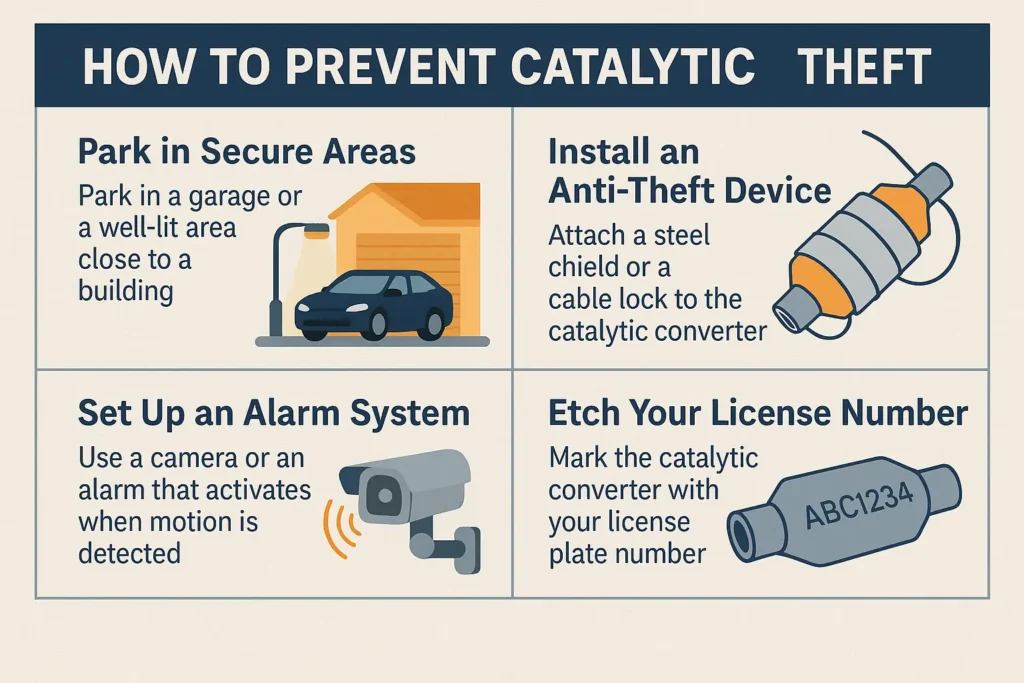
No method is 100% theft-proof, but combining multiple strategies significantly lowers your risk.
1. Park Smart
- Use locked garages whenever possible
- Park in well-lit, busy areas
- Park close to walls or fences to block undercarriage access
2. Install a Protective Device
- Catalytic converter shields or cages increase theft time and noise
- Popular options include CatClamp, Cat Shield, and MillerCAT
If you’re unsure whether physical barriers really make a difference, this detailed guide explains do catalytic converter shields work and when they are most effective.
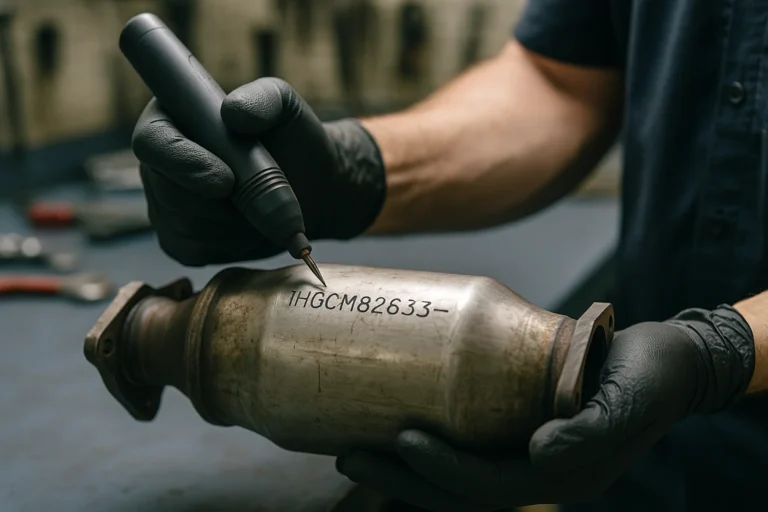
3. Mark and Register Your Converter
- Engrave your vehicle identification number (VIN)
- Some police departments offer free etching events
Another proven prevention method is catalytic converter etching, which involves engraving your VIN to make stolen converters harder to resell.
4. Use Car Alarms with Tilt Sensors
- These alarms trigger if the vehicle is lifted
- Especially effective for trucks and SUVs
5. Check Local Programs and Laws
- Some cities offer parking patrols or converter-marking initiatives
- Staying informed can reduce risk in high-theft areas
How Are Authorities Responding?
Governments and law enforcement agencies are increasing pressure on the resale market.
- Stricter rules for scrap metal dealers
- Mandatory seller identification
- Proof-of-ownership requirements
In the United States, states like California and Texas now require documentation before selling a used catalytic converter.
How Much Do Stolen Catalytic Converters Sell For?
Thieves earn different amounts depending on the vehicle.
- Standard vehicles: $50–$200
- Hybrid vehicles: $500–$1,000 or more
The largest profits come later, when recyclers extract and sell the precious metals.
Conclusion
Catalytic converter theft is a fast, costly, and frustrating crime that continues to rise worldwide. By understanding why thieves target these components and taking preventive steps early, you can avoid expensive repairs and major inconvenience.
Whether you choose to install a protective shield, improve parking habits, or mark your converter, being proactive is your best defense. With stronger laws and growing awareness, reducing theft is possible—but vehicle owners still play the most important role.