Do Catalytic Converter Shields Work? Explained

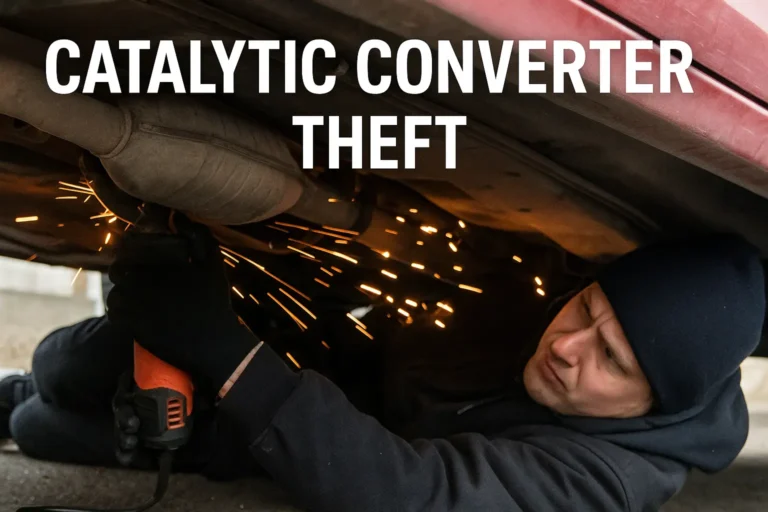
Every year, thousands of car owners wake up to an unpleasant surprise: the sound of their engine roaring much louder than usual, a warning light on the dashboard, or even the inability to drive. The cause? A stolen catalytic converter. With converter thefts rising worldwide, many drivers want to know—do catalytic converter shields work and are they worth the investment? This guide answers all your questions, using evidence-based facts and practical advice.
What Is a Catalytic Converter Shield?
A catalytic converter shield is a specially designed metal plate or cage that fits over the catalytic converter, making it much harder for thieves to access and remove. Most shields are made of durable stainless steel or aluminum, and they attach to your vehicle’s undercarriage, covering the converter itself.
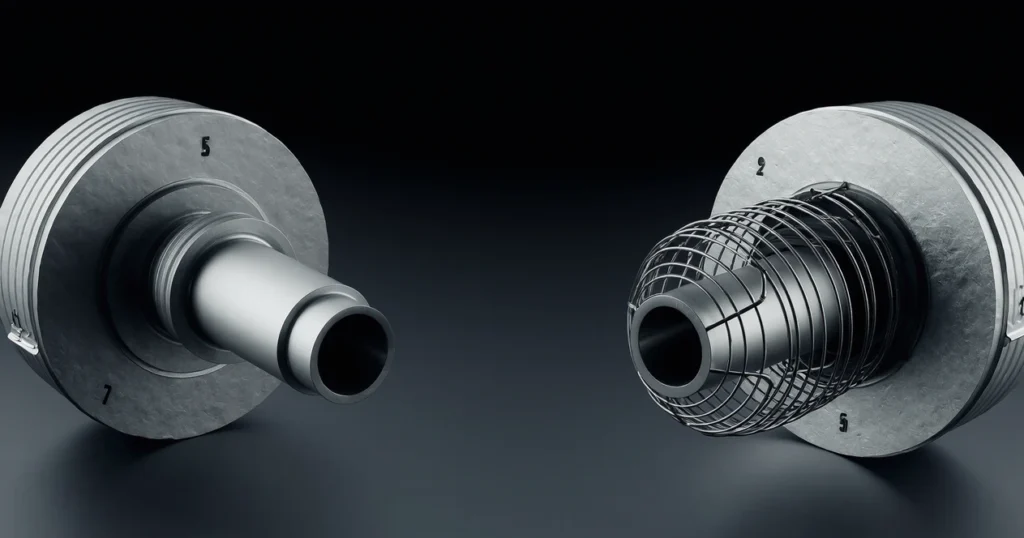
Some shields are called “cat shields,” “cat guards,” or “anti-theft plates.” There are also “cat cages,” which are more like a thick wire mesh that fully surrounds the exhaust component. These devices are engineered to resist sawing, prying, or cutting—the main methods thieves use.
Types of Shields
- Plate Shields: A solid metal plate that covers the converter.
- Cage Shields: More elaborate, creating a cage around the converter for added security.
How Do Catalytic Converter Shields Work?
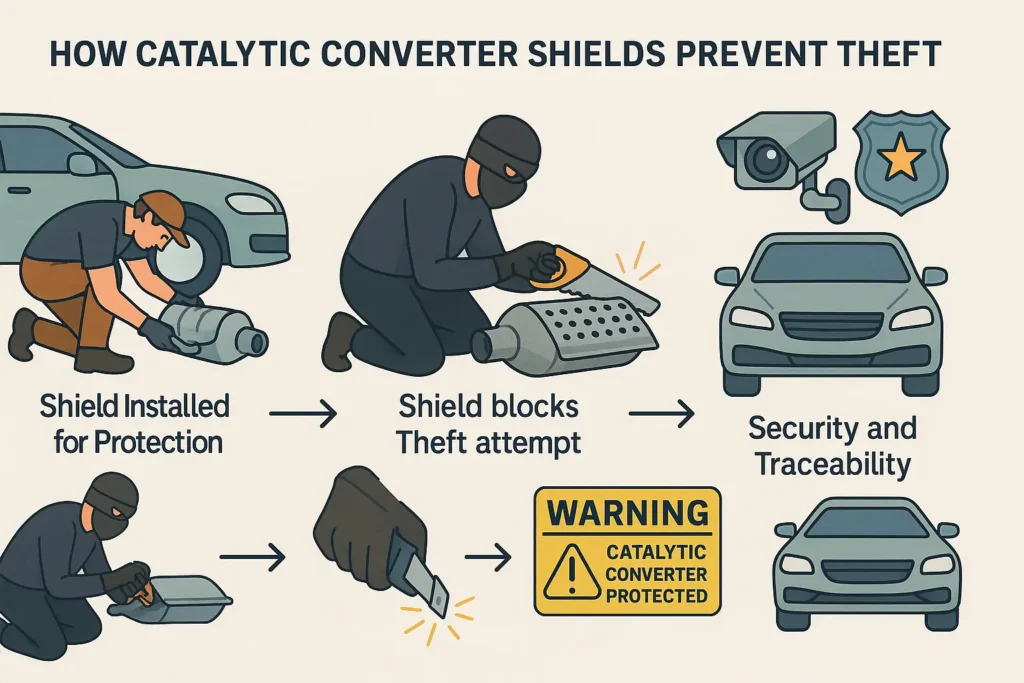
Catalytic converter shields work by adding a strong physical barrier between thieves and the valuable part. The typical theft takes just a few minutes with a portable saw. With a shield, the thief encounters tough metal, specialized bolts, and little room to maneuver.
Here’s how they function:
- Physical Deterrent: The shield covers the converter, so a thief can’t access it easily with power tools.
- Time Delay: Even if a thief attempts the theft, removing the shield can take up to 30 minutes, increasing the risk of being caught.
- Visual Warning: Many shields have visible logos or warnings that signal security measures, which can discourage thieves from even attempting the theft.
For extra protection, some shields use tamper-proof bolts, and others have built-in alarms that go off if the plate is disturbed.
Are Catalytic Converter Shields Effective Against Theft?
What Does the Evidence Show?
Yes, catalytic converter shields are effective at reducing the risk of theft. Multiple police departments and insurance companies recommend them as one of the top preventive measures. While no device can guarantee 100% safety, shields make stealing the converter much harder and riskier.
Statistics and Expert Opinions:
- According to the National Insurance Crime Bureau (NICB), cities with high rates of catalytic converter theft report that vehicles with shields are much less likely to be targeted.
- A study by the California Bureau of Automotive Repair found that cars with anti-theft devices, including shields, were 40–60% less likely to have their converters stolen than those without.
- Many police departments, such as the San Francisco Police Department, routinely host “etch and shield” events, stating that shields are “one of the most effective deterrents” available.
Are There Any Weaknesses?
No security solution is perfect. Skilled thieves with time, noise cover, and the right tools can still defeat a shield, but it takes much longer and is far more likely to attract attention. The vast majority of thefts are crimes of opportunity—shields take that opportunity away.
Which Vehicles Need Catalytic Converter Shields Most?
While any car with an exposed catalytic converter can benefit from a shield, some vehicles are especially at risk:
- Toyota Prius: Popular with thieves due to high-value metals and easy access.
- Honda Element & CR-V: Higher ground clearance and exposed exhausts.
- Trucks & SUVs: More space underneath makes it easier to reach the converter.
- Delivery vans, buses, and fleet vehicles: Frequently parked outdoors or left unattended.
If you drive one of these vehicles or park in high-risk areas, a shield is a wise investment.
How Much Do Catalytic Converter Shields Cost?
The price of a catalytic converter shield varies by make and model. On average:
- Materials only: $100–$600, depending on brand and complexity.
- Professional installation: $50–$300, but some can be DIY installed with basic tools.
Compare this to the average catalytic converter replacement cost ($1,000–$3,000 including labor), and the value becomes clear.
How Is a Catalytic Converter Shield Installed?
Shields are typically custom-fit for specific vehicles, though some universal options exist. Here’s a quick rundown:
- Lift the Vehicle: A mechanic or DIYer safely raises the car using a jack or lift.
- Align the Shield: The shield is positioned to cover the catalytic converter completely.
- Secure with Bolts: Heavy-duty, tamper-resistant bolts fasten the shield to the vehicle’s frame.
- Optional Add-ons: Some shields come with vibration alarms or can be engraved with a VIN number.
Do Shields Affect Car Performance or Maintenance?
No, catalytic converter shields do not affect your vehicle’s performance. They are designed to allow for proper exhaust flow and heat dissipation. However, you should tell your mechanic about the shield during regular maintenance—removing it may be necessary for exhaust or emissions work.
Are There Alternatives to Catalytic Converter Shields?
While shields are the most direct and effective solution, you can add extra layers of security:
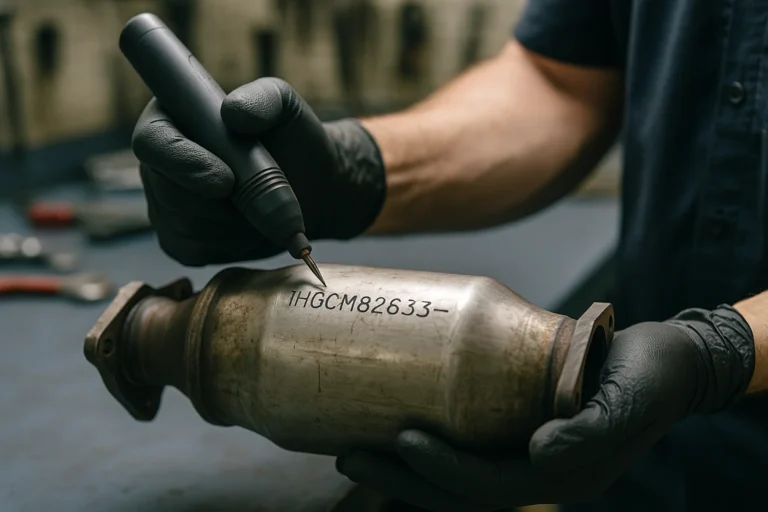
- Etching or Engraving: Marking your converter with your VIN or license plate makes it traceable and less attractive to thieves. Learn more about catalytic converter etching.
- Parking Choices: Park in well-lit, busy areas or close to building entrances.
- Car Alarms: Many modern systems can be set to trigger with vibrations or tilting.
- Surveillance Cameras: Installing visible security cameras at home or in the parking area can discourage theft.
What Should I Look for When Choosing a Shield?
- Fit: Shields should be designed for your vehicle model.
- Material: Stainless steel and heavy-duty aluminum offer the best protection.
- Tamper-proof Fasteners: Look for shields with specialty bolts.
- Warranty: Choose brands that offer a manufacturer’s warranty and support.
- Professional Reputation: Check for reviews, police recommendations, and certifications.
Conclusion
Catalytic converter shields work. They add a physical barrier, slow down thieves, and dramatically reduce the chance of losing your converter to theft. While no solution is perfect, shields—when combined with smart parking, alarms, and etching—offer affordable peace of mind.
If you own a high-risk vehicle or park in public places, a shield can save you hundreds or thousands of dollars in repairs and lost time. Always choose a shield that fits your car and meets your needs.