How Much Platinum Is Inside a Catalytic Converter? Everything You Need to Know

Platinum is a precious metal that plays a quiet but powerful role in making our vehicles cleaner and our air healthier. If you’re wondering how much platinum is inside a catalytic converter, you’re not alone. This question comes up often among car owners, recyclers, and people concerned about catalytic converter theft.
Even though a catalytic converter looks like a small metal box under your vehicle, it contains valuable materials that help reduce harmful exhaust gases. Understanding how much platinum is inside, why it’s used, and how its value is calculated can help you make smarter decisions about recycling, theft prevention, and vehicle maintenance. In this guide, we’ll break everything down using simple language and real-world data.
How Much Platinum Is in a Typical Catalytic Converter?
A typical gasoline-powered car catalytic converter contains about 3–7 grams of platinum (0.1–0.25 ounces). Larger converters, like those found in trucks or SUVs, may contain even more. Diesel vehicles and hybrids have slightly different compositions.

| Converter Type | Platinum Content (grams) | Palladium (grams) | Rhodium (grams) |
|---|---|---|---|
| Standard Gasoline | 3–7 | 2–7 | 0.2–0.5 |
| Diesel (DOC/DPF/SCR) | 2–5 | 2–6 | 0.1–0.4 |
| Hybrid Vehicle | 2–6 | 2–6 | 0.2–0.4 |
| Truck/SUV/Large Vehicle | 5–10 | 4–10 | 0.3–0.7 |
Note: Values are averages. OEM converters generally have more platinum than aftermarket ones.
Why Does Platinum Content Vary Between Converters?
There’s no one-size-fits-all answer. The amount of platinum in a catalytic converter depends on several key factors:
1. Vehicle Type and Size
- Larger vehicles (trucks, SUVs) need bigger converters with more platinum.
- Smaller cars typically require less.
2. Engine Design and Emissions Standards
- Vehicles made for stricter emissions standards (California CARB, Euro 6) need higher platinum content for extra catalytic activity.
- Modern, more efficient engine designs may use less platinum than older models.
3. OEM vs. Aftermarket
- OEM (Original Equipment Manufacturer) converters use higher-quality materials and more precious metals.
- Aftermarket converters (used for cheaper replacements) often have less platinum, palladium, and rhodium, making them less valuable to recyclers.
4. Age of the Vehicle
- Older vehicles (pre-2000) sometimes used more platinum due to less precise manufacturing methods.
Why Is Platinum Used Instead of Other Metals?
Platinum stands out because:
- It remains stable and active at very high temperatures.
- It’s resistant to corrosion from exhaust gases.
- It enables oxidation reactions needed to convert harmful gases.
While palladium and rhodium are also used, platinum’s stability and activity make it crucial for long-term function—especially for oxidizing carbon monoxide and hydrocarbons.
What Is the Market Value of Platinum in a Catalytic Converter?

Current Platinum Prices
As of mid-2024, platinum trades for $30–$35 per gram. Prices fluctuate with global demand, mining output, and the automotive industry’s needs.
Example Calculation
Suppose your converter contains 5 grams of platinum and platinum is priced at $32 per gram:
5 grams x $32/gram = $160 worth of platinum in that one catalytic converter.
But that’s not the whole story.
Why Actual Scrap Value Is Less
- Refining and recovery are complex—extracting pure platinum from a used converter involves high temperatures, chemicals, and labor.
- Recyclers pay for all precious metals combined, then deduct costs.
- Typical scrap prices for a complete OEM converter range from $50 to $400, depending on type, size, and metal content.
Sample Value of Platinum per Converter
| Platinum Content (g) | Platinum Value ($ at $32/g) |
|---|---|
| 3 | $96 |
| 5 | $160 |
| 7 | $224 |
| 10 | $320 |
Many vehicle owners are surprised by the numbers, but there are clear reasons why catalytic converters are so expensive, especially due to the precious metals inside.
What About Other Valuable Metals Inside a Catalytic Converter?
It’s not just platinum inside! Palladium and rhodium are also present—and in recent years, they’ve sometimes been more valuable than platinum.
Precious Metals Prices (2024 averages)
| Metal | Avg. Price per Gram (2024) | Main Role |
|---|---|---|
| Platinum | $30–$35 | Oxidation/Reduction |
| Palladium | $40–$65 | Oxidation |
| Rhodium | $200–$400 | NOx reduction |
The total value of a catalytic converter is a combination of these metals, but platinum content is always a major factor.
How Do Recyclers Extract Platinum from Catalytic Converters?
Professional recyclers use specialized equipment to:
- Collect and sort converters (by type and model, to estimate metal content)
- Crush the ceramic or metallic honeycomb inside the converter
- Process the powder using heat (pyrometallurgy) or chemicals (hydrometallurgy) to separate and purify the metals
- Sell refined platinum (and other metals) to manufacturers for reuse in new converters or electronics
This process is highly regulated to protect workers and the environment.
Why Are Catalytic Converters Targeted for Theft?
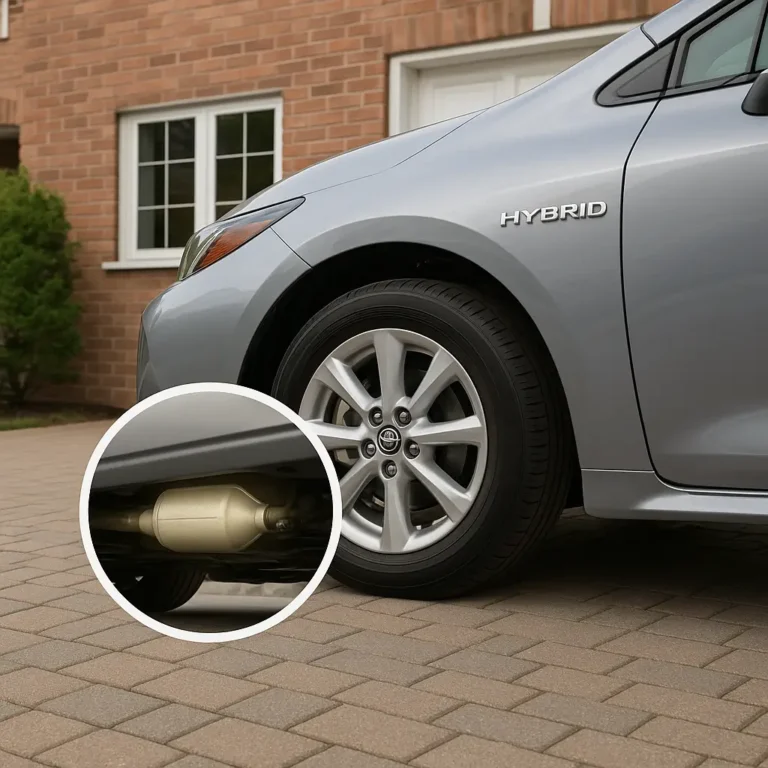
Because of the high value of platinum, palladium, and rhodium, thieves can steal a converter in minutes and sell it to unscrupulous scrap dealers. Some converters from hybrid vehicles (like the Toyota Prius) are especially prized because they contain more precious metals.
Fact: In the U.S., insurance claims for catalytic converter thefts rose over 1,200% between 2019 and 2022, according to the National Insurance Crime Bureau.
Can You Remove Platinum from a Converter Yourself?
No—it’s not safe or legal for individuals to extract platinum at home. The process involves toxic chemicals, high temperatures, and creates hazardous waste. Attempting this can cause serious injury and environmental harm.
Always recycle converters through licensed facilities. They follow strict safety and environmental rules and pay fair market value.
Do All Catalytic Converters Contain the Same Amount of Platinum?
No. The amount depends on:
- OEM vs aftermarket: OEMs always have more precious metal.
- Type of vehicle: Larger, stricter-emission vehicles = more platinum.
- Converter type: Some have double or triple “beds” of catalyst, raising content.
Interesting example: A converter from a Prius or a European luxury car often brings top dollar due to higher metal content and stricter emissions requirements.
How to Estimate the Platinum Content in Your Catalytic Converter
1. Check for a Part Number
Most converters are stamped with a unique code. Online databases (used by scrap yards) list expected metal content for many part numbers.
2. Ask a Scrap Yard or Licensed Recycler
They can inspect the converter and often give you a price estimate on the spot.
3. OEM vs Aftermarket
If your converter is a factory original (OEM), it likely contains more platinum and is more valuable than a generic replacement.
Environmental and Economic Benefits of Recycling Catalytic Converters
Recycling helps in two major ways:
- Reduces the need for mining (which is destructive and energy-intensive)
- Keeps valuable metals in use, supporting a circular economy
For many, the money from recycling a used converter can help offset repair or replacement costs.
How Much Platinum Is Used Globally in Catalytic Converters?
The auto industry is the world’s largest consumer of platinum, using over 40% of annual global platinum production. In 2022, that was more than 75 metric tons used for vehicles alone!
Global Platinum Use by Sector (2022, World Platinum Investment Council)
| Sector | Platinum Use (metric tons) | Percentage of Total |
|---|---|---|
| Automotive (converters) | 75 | 40% |
| Jewelry | 52 | 28% |
| Industry | 45 | 24% |
| Investment/Electronics | 15 | 8% |
Are There Cars With More (or Less) Platinum Than Average?
Yes! Some vehicle types and models stand out:
- Hybrid vehicles (especially older Toyota Prius models): Higher precious metal content.
- Luxury European cars (BMW, Mercedes, Audi): Often have more platinum due to stricter standards.
- Diesel trucks and large SUVs: Bigger converters, more catalyst material.
- Aftermarket replacements: Usually contain much less platinum and have little scrap value.
Conclusion
So, how much platinum is inside a catalytic converter? For most vehicles, the answer is usually between 3 and 7 grams, though trucks, luxury cars, diesel vehicles, and hybrids can contain even more. While that may not sound like much, platinum’s high market value—combined with palladium and rhodium—is what makes catalytic converters so valuable.
Understanding platinum content explains why catalytic converters are expensive, why they are targeted for theft, and why recycling them properly matters. Recycling helps recover scarce metals, reduces the need for environmentally damaging mining, and supports a more sustainable automotive industry.
If you ever need to replace a catalytic converter or recycle an old one, always use licensed and reputable recyclers. Knowing what’s inside your converter gives you better insight into its true value—and helps you protect both your vehicle and the environment.