Can Catalytic Converters Be Cleaned? Expert Tips

If your check engine light is on and your car’s performance is dropping, it’s natural to ask: can catalytic converters be cleaned? The short answer is yes—but only in certain situations. Whether cleaning works depends on why the converter is restricted and how severe the damage is.
In this guide, you’ll learn when cleaning a catalytic converter actually helps, when it doesn’t, and how to protect your converter from premature failure.
Key Takeaways
- Catalytic converters can sometimes be cleaned, but only when clogging is mild
- Cleaning is usually temporary if engine problems aren’t fixed
- Melted or broken converters cannot be cleaned
- Fuel additives work best for early carbon buildup
- Prevention and maintenance matter more than cleaning
What Is a Catalytic Converter and Why Is It Important?
A catalytic converter is a critical part of your vehicle’s exhaust system. Inside, a ceramic honeycomb coated with precious metals—such as platinum, palladium, and rhodium—converts harmful exhaust gases into less toxic emissions before they exit the tailpipe.
A properly functioning catalytic converter helps your car pass emissions tests, protects the environment, and is legally required in most regions.
Why Do Catalytic Converters Get Clogged or Dirty?
Catalytic converters don’t fail on their own. Most problems start elsewhere in the engine.
Common causes include:
- Engine misfires that send unburned fuel into the exhaust
- Burning oil or leaking coolant
- Rich fuel mixtures
- Worn spark plugs or poor maintenance
Over time, these issues cause deposits to build up inside the honeycomb structure. This leads to restricted exhaust flow, overheating, and eventually the symptoms associated with a clogged catalytic converter.
If you’re unsure how restriction develops, this guide explains what a clogged catalytic converter is and how it affects performance.
Can You Clean a Catalytic Converter Yourself?
Yes — but only in limited situations
If the converter is mildly clogged by carbon buildup, cleaning may help.
Methods that may work:
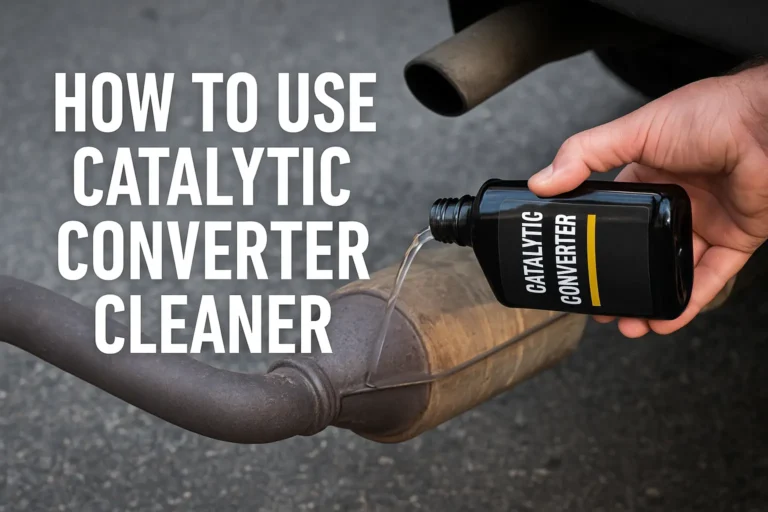
- Catalytic converter cleaning additives
These fuel additives are poured into the gas tank and rely on heat and driving conditions to burn off light deposits. They work best when used early. - Manual cleaning (removed converter)
Some mechanics remove and soak the converter, but this is risky, inconsistent, and not always legal depending on emissions laws.
❌ Cleaning will NOT work if:
- The internal honeycomb is melted or broken
- The converter rattles internally
- Oil or coolant contamination is severe
In these cases, replacement is the only real solution.
How Effective Are Catalytic Converter Cleaners?
Fuel-system catalytic converter cleaners can help when:
- Carbon buildup is light
- Exhaust flow is only partially restricted
- Engine problems have already been fixed
However, they cannot:
- Repair physical damage
- Fix melted substrate
- Overcome repeated engine misfires
If you plan to try this method, follow a proper process for how to use a catalytic converter cleaner safely to avoid wasting time or money.
What About Professional Cleaning?
Some shops offer ultrasonic or chemical cleaning services. These may restore partial function, but results vary and are rarely permanent.
Before paying for professional cleaning:
- Confirm it’s legal in your area
- Ask whether emissions compliance is guaranteed
In many cases, professional cleaning only delays replacement.
When Should You Replace Instead of Clean?
Cleaning is no longer an option if:
- The converter rattles from internal breakage
- The honeycomb structure is melted
- Cleaning attempts fail to restore performance
- The vehicle repeatedly fails emissions tests
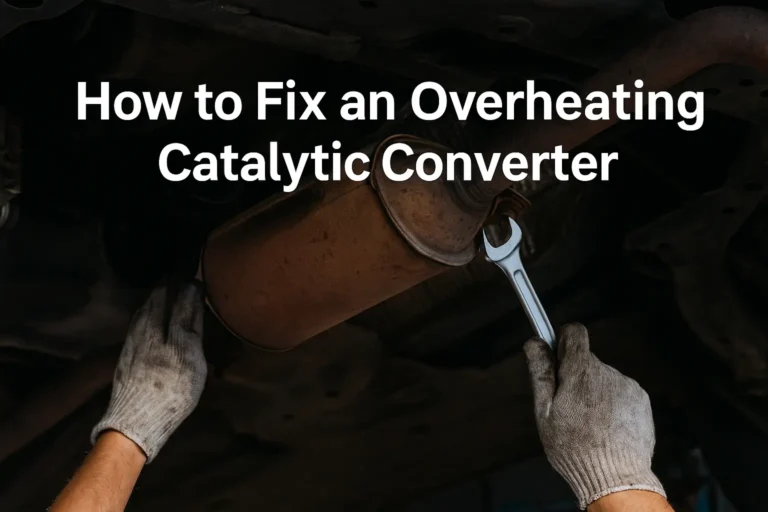
If restriction has already caused extreme heat, see how to fix an overheating catalytic converter and when replacement is required.
How Can You Prevent Catalytic Converter Problems?
Prevention is far more effective than cleaning.
- Fix misfires, oil leaks, and fuel issues quickly
- Use quality fuel and the correct oil
- Replace spark plugs and air filters on schedule
- Take occasional highway drives to reach full operating temperature
With proper care, most converters last a long time. This is explained in detail in how long catalytic converters typically last.
Are There Risks to Cleaning a Catalytic Converter?
Yes. Using harsh chemicals, pressure washing, drilling, or “shortcut” methods can permanently damage the converter, void warranties, or violate emissions laws.
Only use methods designed specifically for catalytic converters and follow local regulations.
Conclusion
Catalytic converters can sometimes be cleaned, but only when the blockage is mild and caught early. Fuel additives may help with carbon buildup, but severe clogging, overheating, or internal damage requires replacement.
The smartest approach is prevention—maintain your engine, address warning signs early, and avoid repeated short trips. Doing so can help your catalytic converter last the life of your vehicle and save you from costly repairs.