How to Use Catalytic Converter Cleaner? 6 Easy Ways

If your check engine light is on, your car feels sluggish, or you’ve failed an emissions test, you may be wondering how to use a catalytic converter cleaner. These cleaners can be a simple, cost-effective solution for minor carbon buildup, helping restore performance and reduce emissions—when used correctly.
This guide explains what catalytic converter cleaners do, how to use them safely, when they work, and when replacement is the only real fix.
Why Is Cleaning a Catalytic Converter Important?
A dirty or partially restricted converter can cause:
- Poor acceleration
- Reduced fuel economy
- Engine misfires
- Failed emissions tests
- Overheating and long-term damage
In early stages, cleaning can slow or reverse these issues. Once restriction becomes severe, the converter may overheat or fail entirely. This often overlaps with clogged catalytic converter symptoms, which should be addressed early.

Signs Your Catalytic Converter May Need Cleaning
A cleaner may help if you notice:
- Check engine light (often code P0420)
- Sluggish engine performance
- Drop in fuel economy
- Sulfur or “rotten egg” smell
- Failed emissions test
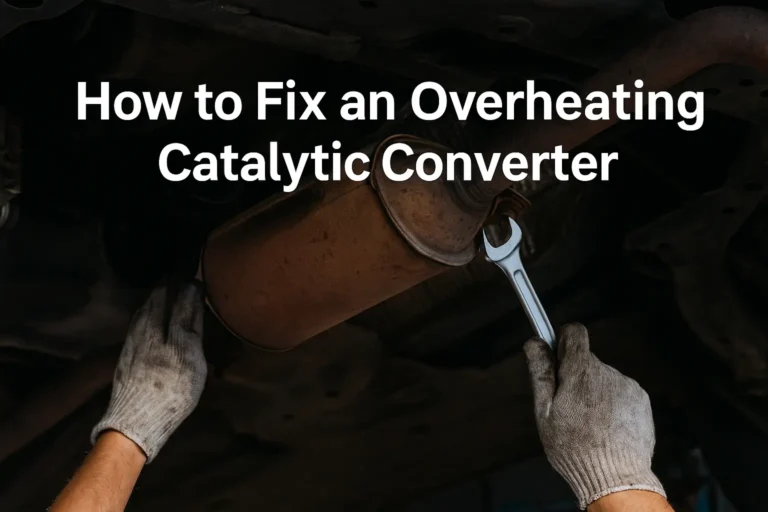
⚠️ If the converter rattles, glows red, or smells burnt, do not use a cleaner—see how to fix an overheating catalytic converter safely instead.

How to Use Catalytic Converter Cleaner (Step-by-Step)
Step 1: Choose the Right Cleaner
- Match fuel type (gasoline or diesel)
- Use reputable brands
- Avoid mixing products
Step 2: Read the Instructions
Most cleaners specify:
- One bottle per tank
- Fuel level (usually ¼–½ tank)
- Highway driving requirement
Never exceed the recommended amount.
Step 3: Add Cleaner to the Fuel Tank
- Park safely
- Pour cleaner directly into the tank
- Secure the fuel cap
Step 4: Refuel
Many brands recommend refueling immediately after adding the cleaner to ensure proper mixing.
Step 5: Drive the Vehicle
For best results:
- Drive 15–30 minutes at highway speeds
- Avoid short trips
- Use most of the treated fuel before refilling
Step 6: Monitor Results
You may notice:
- Improved throttle response
- Reduced exhaust smell
- Check engine light turning off after a few drive cycles
If nothing improves, the converter may be too damaged to clean.
When Should You Use a Catalytic Converter Cleaner?
- After early warning signs appear
- Before an emissions test
- As preventive maintenance every few thousand miles (optional)
Cleaners work best before restriction becomes severe.
Will Catalytic Converter Cleaner Always Fix the Problem?
No.
Cleaners are effective only for:
- Light carbon buildup
- Early-stage restriction
They will not fix:
- Melted or broken honeycomb
- Oil or coolant contamination
- Severe clogging
According to the California Air Resources Board, converters that are physically damaged or melted must be replaced to meet emissions standards.
Is It Safe to Use Catalytic Converter Cleaner?
Yes—if used as directed.
However:
- Overuse can damage sensors
- Wrong fuel type can cause harm
- Harsh DIY methods (pressure washing, drilling) are dangerous and illegal in many regions
If your vehicle is under warranty, check manufacturer guidance before using additives.
How to Use Car Boost Up Catalytic Converter Cleaner
The process is the same as most fuel-based cleaners:
- Add the full bottle to a nearly empty fuel tank
- Refill with fresh fuel
- Drive for 20–30 minutes at steady speeds
- Use the treated tank before refueling
Results depend on how early the problem is caught.

What If the Cleaner Doesn’t Work?
If symptoms persist:
- Scan for engine codes
- Check for misfires, oxygen sensor faults, or exhaust leaks
- Visit a mechanic for efficiency testing
If the converter has reached the end of its life, replacement may be unavoidable. This often aligns with normal lifespan expectations, explained in how long catalytic converters typically last.
Final Thoughts
Catalytic converter cleaners can be a useful first step for minor exhaust problems, but they are not miracle fixes. Used correctly and early, they may restore performance and help pass emissions tests. Used too late, they only delay replacement.
The smartest approach is prevention: maintain your engine, fix warning signs early, and avoid short-trip driving whenever possible.