What is Catalytic Converter Warning?

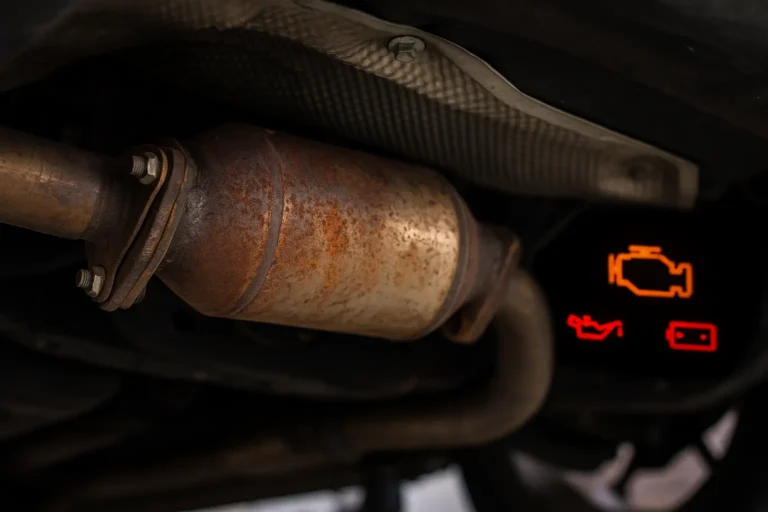
The catalytic converter warning light is an alert from your car’s onboard diagnostic system, signaling a potential issue with the catalytic converter, a vital component of your vehicle’s emission control system. This system reduces harmful pollutants in exhaust fumes before they are released into the atmosphere. When illuminated, it indicates the converter efficiency threshold has been breached, potentially leading to failed emissions inspection and increased exhaust fumes acrid smell. Understanding the causes, symptoms, and required actions can help you maintain your vehicle’s performance and environmental compliance.
The main benefit of understanding your catalytic converter warning is preventing further damage to your car and ensuring it meets emission standards. It also helps you avoid costly repairs down the line by addressing problems early.
The catalytic converter warning light alerts you to potential problems within the catalytic converter and related systems like oxygen sensors. It is a crucial part of your car’s self-diagnostic system, helping maintain proper engine performance and reduce harmful emissions.
The main components involved when the catalytic converter warning light activates include the catalytic converter itself, oxygen sensors (upstream and downstream), the engine control unit (ECU), and the exhaust system.
What Does the Catalytic Converter Light Mean?
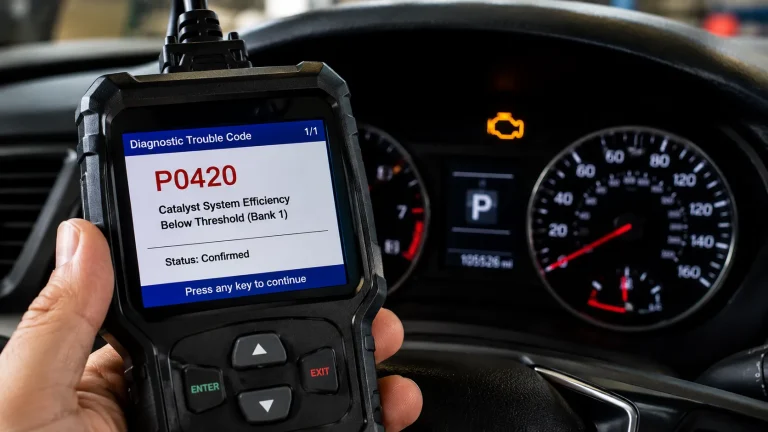
The catalytic converter light indicates that your car’s computer has detected a problem related to the catalytic converter’s function. This doesn’t always mean the converter itself is faulty. The Engine Misfire Detected or Inefficient Combustion Detected can be symptoms of a larger issue. It could also signal problems with the oxygen sensors, fuel system, or other engine components that affect the converter’s ability to function correctly. The catalytic converter efficiency below threshold bank 1 or bank 2 are common error codes.
Common Causes of Catalytic Converter Problems
Several factors can trigger the catalytic converter warning light. Addressing these promptly can prevent further damage and costly repairs.
Engine Misfiring
Engine misfires cause unburned fuel to enter the exhaust system, overheating and potentially damaging the catalytic converter. This Restricted Exhaust Flow issue is a major cause of converter failure. Misfires that trigger the warning light can also lead to noticeable performance or exhaust issues covered in our signs of a bad catalytic converter article.
Contaminated Fuel or Oil
Using low-quality fuel or experiencing oil leaks can introduce contaminants into the exhaust system, poisoning the Platinum Group Metals within the catalytic converter and reducing its efficiency.
Faulty Oxygen Sensors
Oxygen sensors monitor the levels of oxygen in the exhaust stream before and after the catalytic converter. If these sensors malfunction, they can provide inaccurate data to the car’s computer, leading to improper fuel-air mixtures and potential damage to the converter. A Fuel Trim Imbalance can be a result of this.
Exhaust System Leaks
Leaks in the exhaust system can allow air to enter, disrupting the chemical reactions within the catalytic converter and reducing its efficiency. This can also lead to a Sulfurous Odor Noticeable. Exhaust leaks affecting converter efficiency may also cause unusual sounds, which we explain in our guide on why a catalytic converter becomes loud.

Age and Mileage Deterioration
Like any car part, catalytic converters degrade over time. As Age and Mileage Deterioration occurs, the internal components can become less effective at converting pollutants, triggering the warning light.
Carbon Build-up
Carbon deposits can accumulate on the catalytic converter’s surface, restricting exhaust flow and reducing its efficiency.
Can I Drive with the Catalytic Converter Light On?
While it’s possible to drive with the catalytic converter light on, it’s not recommended. The problem causing the light to illuminate could worsen, leading to more extensive and expensive repairs. Furthermore, a malfunctioning catalytic converter can reduce fuel efficiency, increase emissions, and potentially damage other engine components. Driving with a bad converter can also lead to a Failed Emissions Inspection.
How to Fix the Catalytic Converter
Fixing a catalytic converter problem requires a systematic approach.
Professional Diagnosis
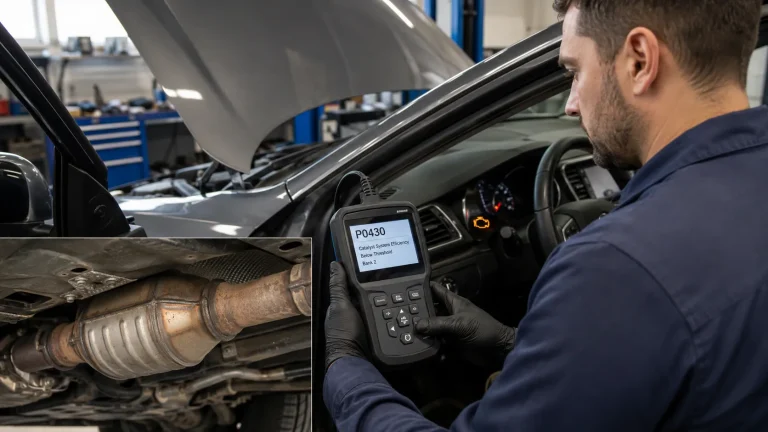
The first step is to have a qualified mechanic perform a professional diagnosis. They’ll use diagnostic tools to read the error codes stored in your car’s computer and identify the underlying cause of the problem.
Common Repair Solutions
Depending on the diagnosis, repair solutions may include:
- Replacing faulty oxygen sensors
- Repairing exhaust system leaks
- Replacing the catalytic converter (if damaged beyond repair)
- Addressing engine misfires by replacing spark plugs or ignition coils
- Flushing the fuel system to remove contaminants
How to Turn Off the Catalytic Converter Warning Light
Turning off the catalytic converter warning light without addressing the underlying issue is only a temporary solution. The light will likely reappear. After repairs are made, a mechanic can use a scan tool to clear the error codes and turn off the light. In some cases, the light may turn off automatically after the car has been driven for a certain period and the system detects that the problem has been resolved.
When to Seek Professional Help
You should seek professional help immediately if the catalytic converter warning light comes on, especially if accompanied by other symptoms such as:
- Reduced engine performance
- Unusual noises from the exhaust system
- A strong sulfurous odor (rotten egg smell)
- Overheating
- Visible smoke from the exhaust
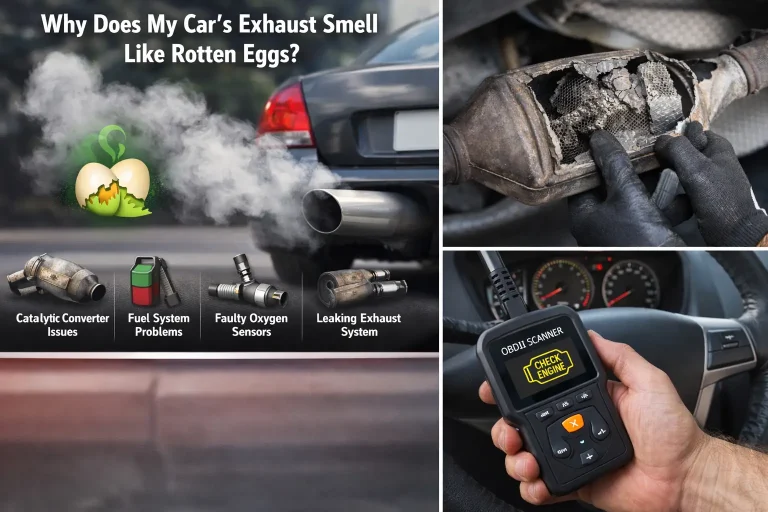
If the warning light is accompanied by a sulfur-like odor, it may indicate hydrogen sulfide buildup, a problem discussed in detail in our rotten egg smell from exhaust guide.
Preventive Maintenance: Protecting Your Catalytic Converter
Several preventive maintenance measures can help protect your catalytic converter and extend its lifespan:
- Regular engine tune-ups
- Using high-quality fuel
- Addressing engine misfires promptly
- Avoiding short trips, which can prevent the converter from reaching optimal operating temperature
- Regular oil changes to prevent oil contamination
Understanding MOT Implications
In the UK, the MOT (Ministry of Transport) test includes an emissions test. A faulty catalytic converter will likely cause your vehicle to fail the MOT, as it won’t be able to meet the required emission standards.
Don’t Risk Your Vehicle’s Compliance
Driving with a faulty catalytic converter not only harms the environment but also risks failing emissions tests and potentially incurring fines.
Need Help with Your Catalytic Converter?
If you’re experiencing catalytic converter problems, consult with a qualified mechanic for diagnosis and repair.