Why Is My Catalytic Converter So Loud? (Top 5 Causes)

If you’re suddenly noticing a loud noise coming from your car’s exhaust area, you might be wondering, “Why is my catalytic converter so loud?” This is a common concern for drivers, and the answer usually points to a problem with your exhaust system. In this guide, we’ll break down what causes a loud catalytic converter, how to identify the problem, and what you should do next—all in clear, simple language.
Why Is My Catalytic Converter So Loud?
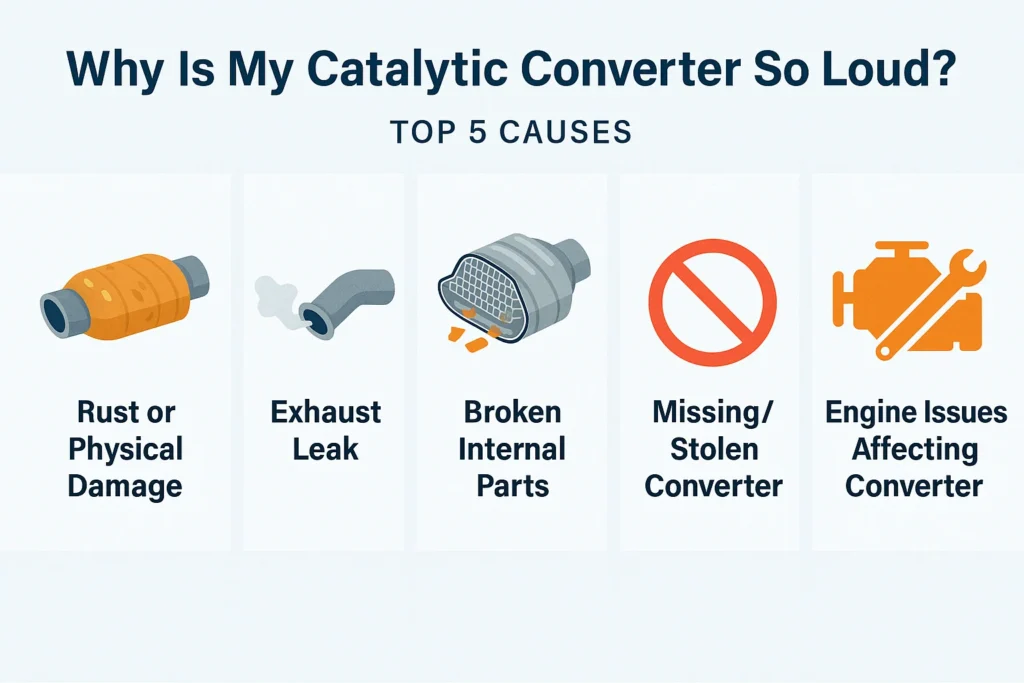
A loud catalytic converter is not normal. Here are the most common reasons why your catalytic converter—or the area around it—might suddenly be making a lot of noise:
Physical Damage or Rust
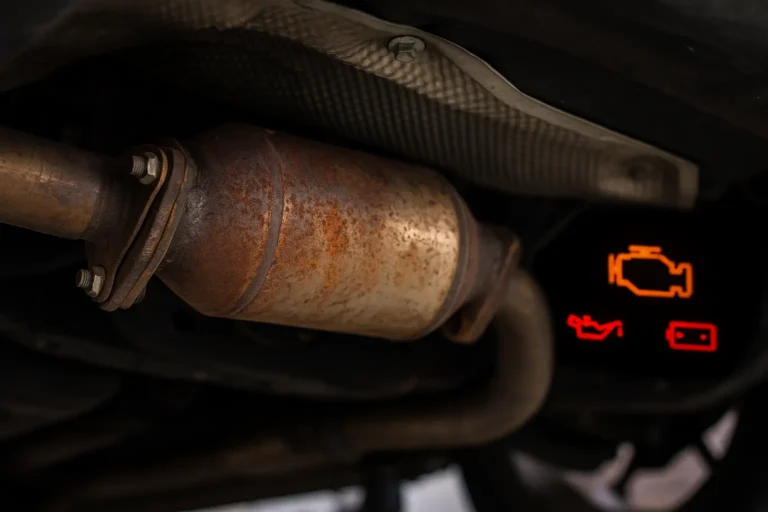
Over time, moisture, salt, and road debris can corrode or damage the metal shell of your catalytic converter. Rust can eat through the metal, creating holes and weak spots. When this happens, exhaust gases escape through the holes, making your exhaust system much louder than usual.
Exhaust Leaks
A loud noise can occur if there’s a leak anywhere in the exhaust system, including around the catalytic converter. Common causes include:
- Broken welds or loose connections
- Cracked exhaust pipes or flanges
- Gaskets that have worn out
How to Spot It:
Listen for a hissing, popping, or roaring noise, especially when you accelerate.
Internal Breakage or Loose Components
The honeycomb structure inside the catalytic converter can break apart, especially after a big impact or with age. If the internal parts come loose, they may rattle around inside the converter, creating a loud metallic sound. Internal damage that causes rattling is frequently associated with broader catalytic converter failure symptoms outlined in our signs of a bad catalytic converter guide.
Stolen or Missing Catalytic Converter
Unfortunately, catalytic converter theft is on the rise because the metals inside are valuable. If your converter has been stolen, your exhaust system will be extremely loud, often producing a harsh roaring or rumbling noise as soon as you start the engine.
Engine Problems Affecting the Converter
If your engine isn’t running smoothly—due to misfires, excess fuel, or oil leaks—unburned fuel or oil can overheat and damage the converter. This can lead to melting or breaking up the inside of the converter, which may cause noise and further damage.Engine issues that damage the converter may also trigger dashboard alerts, which are discussed in our article on the catalytic converter warning light.
How Can I Tell If My Catalytic Converter Is the Source of the Noise?
Here are a few signs that your catalytic converter is causing the loud sound:
- Rattling Noise: A metallic rattle from under the car, especially when starting or idling, often points to a broken converter.
- Roaring or Hissing: A deep roaring or high-pitched hiss could indicate a hole or crack in the converter or nearby exhaust pipe.
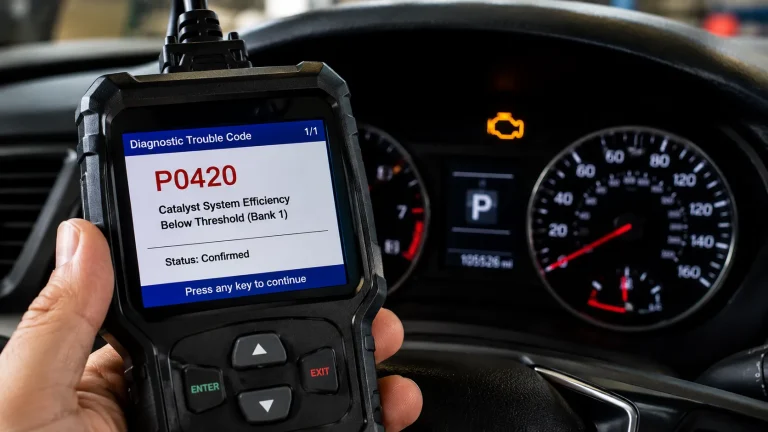
- Check Engine Light: Your car’s computer may detect exhaust leaks or converter failure, triggering a warning light.
- Loss of Performance: A damaged or missing converter can cause power loss, rough idling, or stalling.
What Should I Do If My Catalytic Converter Is Loud?
- Do Not Ignore the Problem: Driving with a loud exhaust can harm your engine, lower fuel economy, and violate emissions laws.
- Inspect for Theft: If your car is suddenly much louder than normal, check under the car to see if the catalytic converter has been stolen.
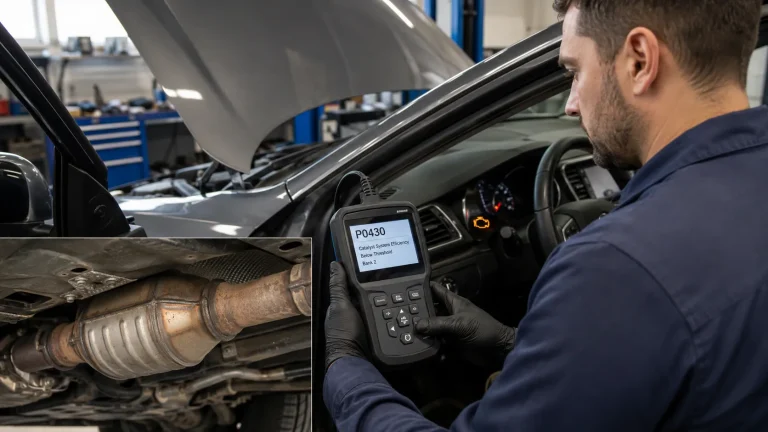
- Visit a Trusted Mechanic: A professional can diagnose the exact issue—whether it’s a leak, break, or internal damage—and recommend the best fix.
- Get Repairs Quickly: Delaying repairs may cause further engine damage and lead to more expensive fixes.
Is a Loud Catalytic Converter Dangerous?
Yes, a loud catalytic converter isn’t just a nuisance. It may mean toxic gases are leaking from your exhaust system, which is hazardous to your health and the environment. In some cases, a broken or missing converter can allow hot gases to damage other vehicle components or cause a fire risk.
Common Causes of Loud Catalytic Converter Noise
| Cause | Typical Noise | What to Do |
|---|---|---|
| Rust or physical damage | Roaring/hissing | Repair or replace converter |
| Exhaust leak near converter | Hissing/popping | Seal or replace parts |
| Broken internal honeycomb | Metallic rattling | Replace catalytic converter |
| Missing/stolen catalytic converter | Very loud/roaring | Report theft, install new part |
| Engine problems affecting converter | Variable noises | Fix engine, check converter |
How Much Does It Cost to Fix a Loud Catalytic Converter?
Repair costs vary depending on the cause:
- Minor leaks or gasket repairs: $100–$300
- Replacing a damaged catalytic converter: $900–$2,500+
- Replacing stolen converter: $1,200 or more (some vehicles are much higher)
Tip: Comprehensive insurance may cover theft or vandalism, but always check your policy.
How Can I Prevent My Catalytic Converter from Becoming Loud?
- Regular Inspections: Have your exhaust system checked for rust, damage, and leaks during routine maintenance.
- Protect Against Theft: Install a catalytic converter anti-theft device or park in a secure, well-lit area.
- Fix Engine Problems Quickly: Repair misfires, oil leaks, or poor fuel mix to prevent converter damage.
- Use Quality Fuel: Good fuel reduces the chance of unburned residues and excess soot.
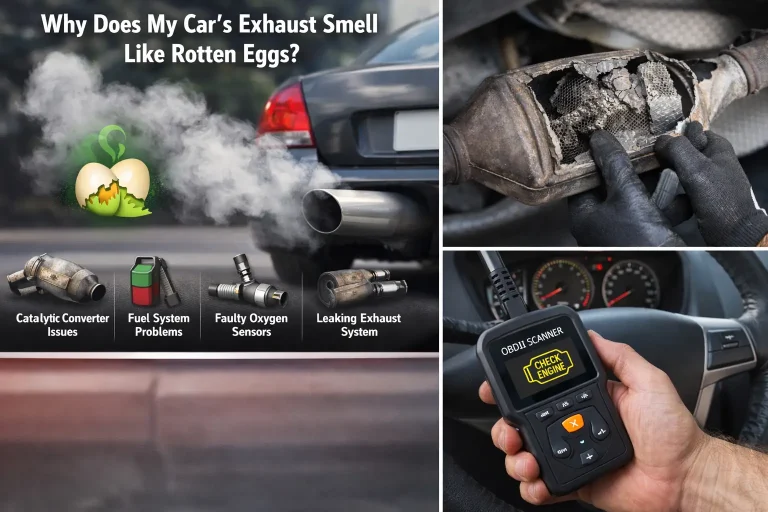
ConclusionA loud catalytic converter is usually a sign that something has gone wrong in your exhaust system. Whether it’s caused by rust, a leak, internal damage, or theft, it’s important to address the issue quickly. Loud noises are not just annoying—they can signal safety, legal, and performance risks. If your car’s catalytic converter is making unusual sounds, consult a trusted mechanic to keep your vehicle running quietly and efficiently. In some cases, loud exhaust noise can appear together with a sulfur-like odor, which may point to additional problems explained in our guide on rotten egg smell from exhaust.