Signs of A Bad Catalytic Converter

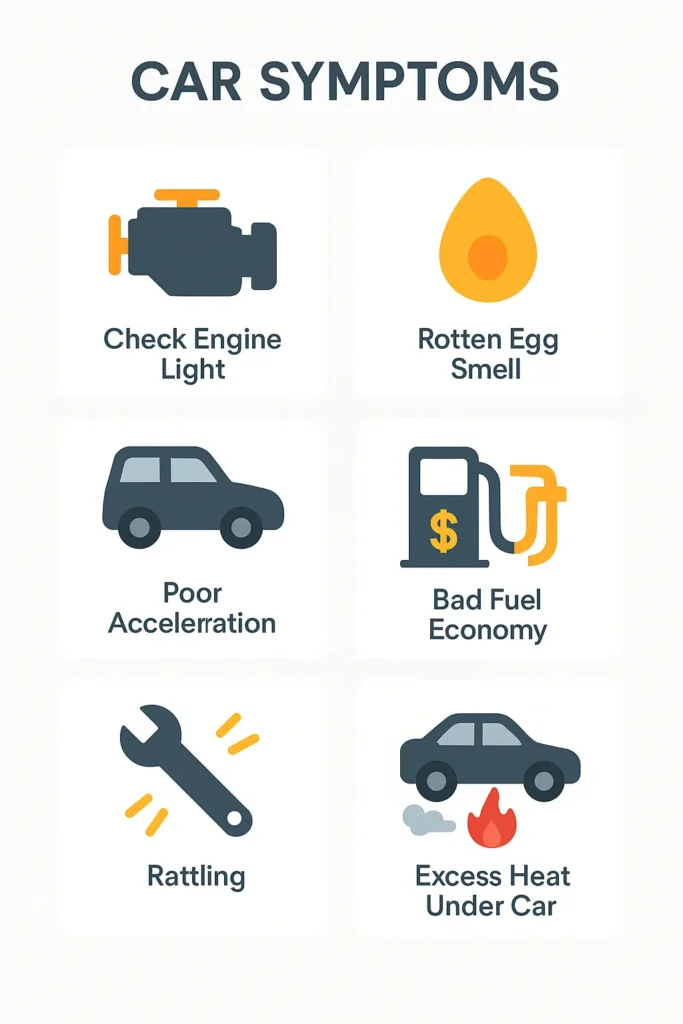
A catalytic converter is an essential component of your vehicle’s exhaust system, responsible for reducing harmful emissions. Recognizing the signs of a bad catalytic converter early can prevent further damage to your engine and ensure your vehicle passes an emissions test. A failing catalytic converter can lead to reduced engine performance, lower gas mileage, and trigger the “Check Engine” Light. Common signs of a bad catalytic converter include a rattling noise, blue emissions, a sulfur smell, and failing an emissions test. Identifying these signs helps maintain your vehicle’s efficiency and compliance with environmental regulations.
What Are the Most Common Signs of a Bad Catalytic Converter?

Rattling Noise
One of the first signs of a bad catalytic converter you might notice is a rattling noise coming from underneath your car. This rattling undercarriage noises usually indicates that the internal components of the catalytic converter, such as the ceramic substrate, have broken apart. These loose pieces then rattle around inside the converter’s housing, creating an unusual metallic clanging sound, especially when the engine is running or you hit bumps. If you hear rattling noise, it’s crucial to have your catalytic converter inspected promptly to prevent further damage to the exhaust system. In some cases, a failing converter becomes so damaged that it starts producing excessive noise, which is explained in more detail in our guide on why a catalytic converter becomes unusually loud.
Blue Emissions
Blue emissions, or dark smoke discharge, from your exhaust is a significant indicator of a problem, though not always directly the catalytic converter. However, conditions that cause oil to enter the exhaust system, like worn piston rings or valve seals, can quickly damage the catalytic converter. The presence of oil in the exhaust can lead to obstructed exhaust flow and overheating exhaust system, eventually causing the catalytic converter to fail. If you observe blue emissions, address the source of the oil leak to protect your catalytic converter and engine.
Reduced Engine Performance
A failing catalytic converter can severely impact your engine performance. As the catalytic converter becomes clogged or damaged, it creates increased back pressure in the exhaust system, restricting the engine’s ability to breathe properly. This can result in reduced acceleration power, sluggish cold start, rough engine idling, and overall engine performance decline. You might also experience frequent stalling issues. If you notice a significant drop in your car’s responsiveness, it’s essential to check the catalytic converter along with other potential causes.
Low Gas Mileage
Decreased fuel efficiency, or low gas mileage, is another common sign of a bad catalytic converter. When the catalytic converter is not functioning correctly, the engine has to work harder to maintain the same level of performance. This increased effort leads to higher fuel consumption, resulting in a noticeable decrease in the number of miles you get per gallon (gas mileage). If you find yourself filling up your tank more often than usual, it could be a sign that your catalytic converter needs attention. This decreased fuel efficiency not only costs you money at the pump but also contributes to increased emissions.
“Check Engine” Light Comes On
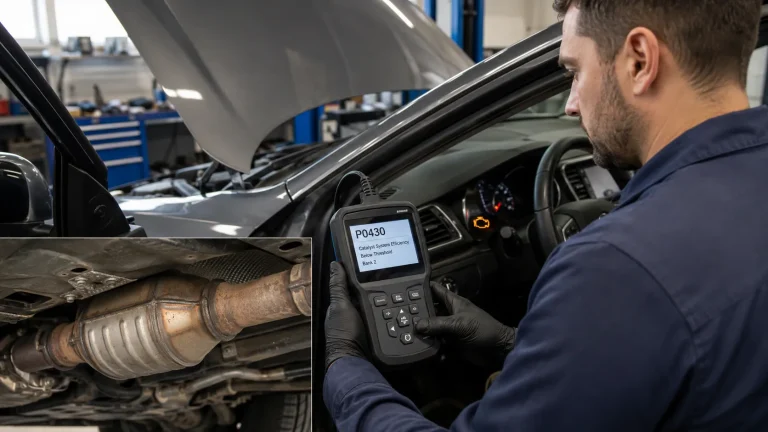
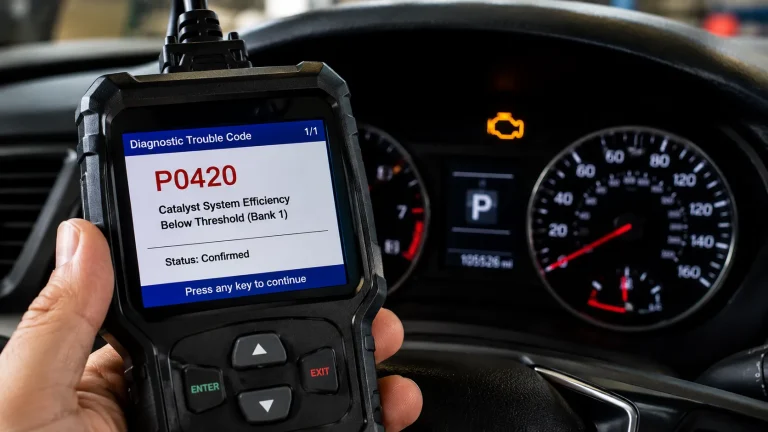
A persistent check engine light is a frequent sign of various automotive issues, including a failing catalytic converter. The Check Engine Light illuminates when the vehicle’s computer detects a problem with the emission control system, and a bad catalytic converter can trigger specific OBD2 codes catalytic converter related to its efficiency. While the Check Engine Light itself doesn’t pinpoint the catalytic converter definitively, it signals the need for a diagnostic check. A mechanic can use a scan tool to read the codes and determine if the catalytic converter is the source of the problem. When the check engine light appears due to emissions issues, it’s often linked to converter efficiency problems, which we explain further in our article on the catalytic converter warning light.
Sulfur Smell from Exhaust
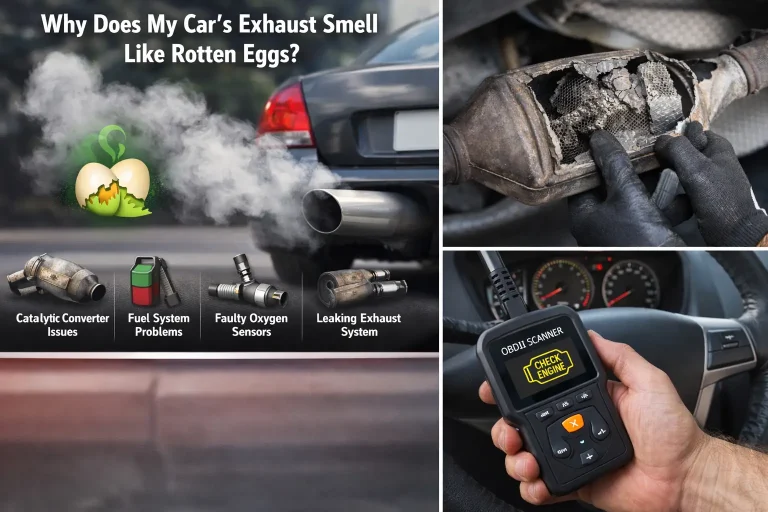
A noticeable exhaust odor, specifically a sulfur smell from exhaust, often described as a sulfur-like rotten egg smell, is a strong indicator of a failing catalytic converter. This smell occurs when the catalytic converter is not properly converting hydrogen sulfide (a byproduct of combustion) into sulfur dioxide. The presence of this odor suggests that the catalytic converter’s catalyst is no longer functioning efficiently, and converter replacement may be necessary. This rotten egg smell is usually quite distinct and should not be ignored. A strong sulfur or rotten egg odor is one of the clearest warning signs and is covered in detail in our guide on rotten egg smell from exhaust.
Failed Emissions Test
Failing an emissions test or failed smog inspection is a definitive sign of a bad catalytic converter. Emissions tests are designed to measure the levels of pollutants released by your vehicle, and the catalytic converter’s primary job is to reduce these pollutants. If your vehicle fails the test, it indicates that the catalytic converter is not effectively cleaning the exhaust gases. This failure often necessitates catalytic converter diagnosis and subsequent repair or replacement to bring your vehicle into compliance with environmental standards.
Conclusion
Recognizing the signs of a bad catalytic converter is crucial for maintaining your vehicle’s performance, fuel efficiency, and environmental compliance. From rattling undercarriage noises and blue emissions to reduced acceleration power and a sulfur-like rotten egg smell, these indicators should prompt a thorough inspection. Ignoring these signs can lead to further engine damage and costly repairs. Promptly addressing potential issues with your catalytic converter ensures your vehicle operates efficiently and responsibly. If you suspect your catalytic converter is failing, consult a qualified mechanic for catalytic converter testing and appropriate repairs.